It’s very general information that the manufacturing of some foods is harmful to the environment, particularly in the meat and dairy industries.
However, if you’re trying to live a greener lifestyle, it’s necessary to look at some of the lesser-known environmentally detrimental foods – some of which are even quite healthy for humans but not so great for the earth.
Here are some things you should buy less of if you want to lessen your environmental footprint.
1. Almond Meal
Almond milk is frequently used as a healthier alternative to dairy milk, yet it has a substantial environmental impact. Just 100ml of almond milk requires almost 100 liters of water. This produced a huge demand for water, prompting local farmers to drill more wells and harming the ecosystem in the process.
2. Avocados
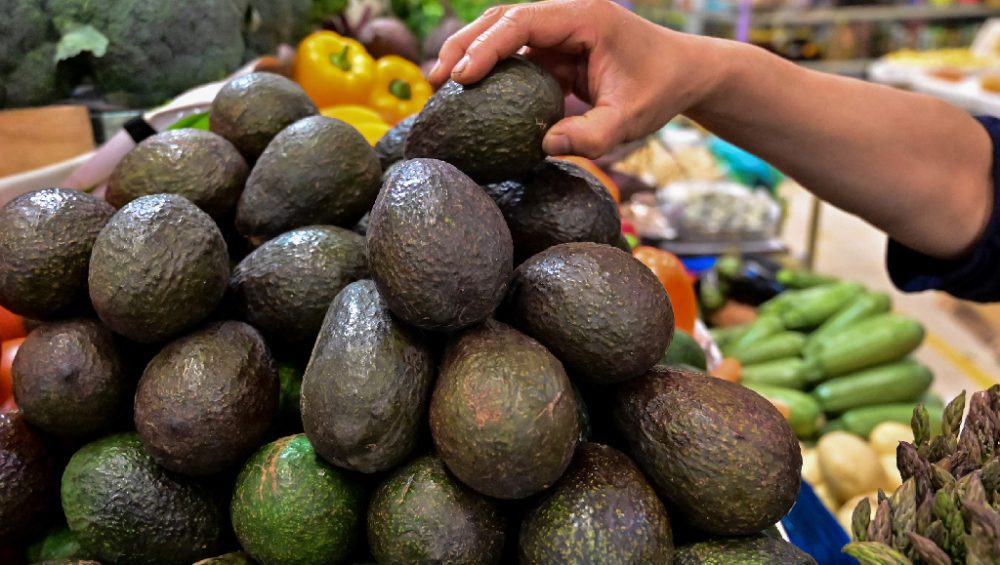
You may have noticed the latest avocado trend all over the world. This popularity, however, is putting a pressure on the ecosystem. Cultivating the fruit demands a lot of water, which causes drought in some locations.
3. Cacao Nuts
Cashews are a popular nut that is high in nutrients. However, production is challenging. The portion we consume is actually enclosed by two outer shells and an acid layer. Many factory workers in India, where many cashews are manufactured, suffer acidic burns as a result of this acid if gloves are not given. Labor camps have even been established in Vietnam solely for cashew production.
4. Eggs
Every egg requires approximately 4.8 kilos of carbon dioxide to be produced. Emissions are caused by the manufacturing of chicken feed, poultry gasses, energy utilized on equipment, and fuel combustion.
5. Quinoa
Quinoa is another ‘trend’ food right now, but the high demand has produced problems in Bolivia and Peru, where it is grown. Farmers have been pushed out as export trades and costs have increased. Quinoa has gotten even more pricey in some areas, with inhabitants finding it prohibitively expensive to purchase for themselves.
6. Rice
Despite being one of the most popular cuisines in India, rice fields are one of the major sources of methane gas. Rice cultivation contributes significantly to the world’s rising temperatures.
7. Sardines
Because of its high omega-3 content, salmon is frequently advised as part of a balanced diet. However, salmon farming is extremely damaging to our planet’s aquaculture systems. Other aquatic species is captured using open net cages, and agricultural trash, including chemical waste, is fed back into the sea.
8. Soy
Soy requires a lot of space to grow, which has resulted in deforestation in places like the Amazon, the Atlantic Forests, and the Gran Chaco, to name a few. Every year, over 4 million hectares are devastated.
9. Tuna
Another species that is extremely harmful to the environment is tuna. The fish is in high demand, which leads to overfishing, putting the species in risk of extinction.
10. White Bread
To make white bread, flour must be refined through processing, which consumes a significant amount of energy. Bread is also linked to plastic wrapping, which leads to pollution and environmental harm.
So, while you may appreciate certain foods, keep in mind that they are not always the best decision for the environment around us. By decreasing your use of products using hazardous manufacturing processes, you are reducing your environmental effect and demonstrating your concern for all things green.
Do you have a favorite non-environmentally hazardous food? Share it in the comments area below to motivate others to make more environmentally friendly decisions!