
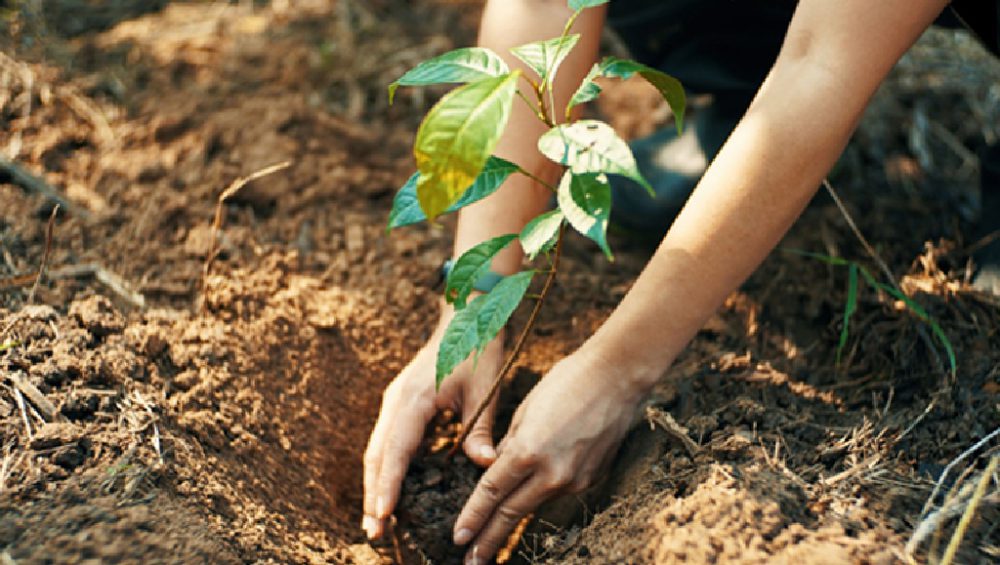
Nowadays, it’s practically essential to plant seedlings that will eventually mature into trees. Tree plantation is essential and requires participation from all facets of society, particularly in a nation like India where woods only make up 21.34% of the area. It’s not a simple chore, though. It is a big job to plant and care for trees, much like raising children.
You may improve the amount of greenery in your neighborhood with little effort by organizing a successful plantation drive. On the other hand, an unplanned and careless driving will result in plants dying and waste money and time. Naturally, unpredictable weather patterns and natural disasters can occasionally be the reason behind tree plantation failure; but, human activity has a considerably greater track record when it comes to deforestation and plantation malfunction.
So, bear the following four points in mind to organize a fruitful plantation campaign in Delhi NCR or anywhere else in India.
1. Become familiar with your surroundings.
It is essential to comprehend the features of the region you have chosen. It is crucial to comprehend the soil, climate, environment, and techniques used for water delivery. The chosen place must also be protected against disasters caused by humans.
2. Select the appropriate season.
Proper levels of sunshine and rain are necessary for plants to grow and thrive. Given the hot summer weather, the saplings would need to be watered frequently. There’s a danger that the heat will kill the plants. Likewise with the Winters. The plants could not survive if they experienced frost.
The monsoon season is the best time to launch a planting push. This will guarantee a moderate climate and allow saplings the time to acclimate to their new surroundings.
3. Choosing suitable saplings.
Choosing the appropriate tree species is influenced by all of the aforementioned elements. On the other hand, if you’re going on a plantation drive, pick trees with stronger roots over more sensitive ones. Plants native to the area should always be chosen. Steer clear of trees like eucalyptus, which absorb all groundwater and cause the land to become dry. For instance, one of the main causes of forest fires and floods in the Himalayan foothills is pine trees. Water flow management is not aided by thin bark. In actuality, walnut trees are more effective at defending steep areas.
In Delhi NCR, neem, peepal, and karanj are among the most prevalent native plant species. Despite not bearing fruit, these plants contribute the most to the ecosystem. Strong roots allow plants like kadamba, sisum, and neem to hold soil in even the most rugged or hilly environments. The majority of these species may be found on Hanuman Tekdi, where Nelda conducts annual plantations.
Additionally, you can plant Banyan, Bakul, or even Kanchan because they thrive readily and don’t require much care in Delhi’s mild climate.
4. Get ready for the following step.
Now that you have a good understanding of the procedure, let’s talk about the big issue: maintaining your seedlings.

- Make sure you have scheduled regular watering sessions for your seedlings during the winter and summer.
- Get ready to defend the plants using man-made or natural barriers, such as fences.
- In the event of an organism attack, be ready to employ organic insecticides.
- To ensure your plants develop healthily and germ-free, use the 100% natural fertilizers that are readily accessible on the market at regular intervals.