
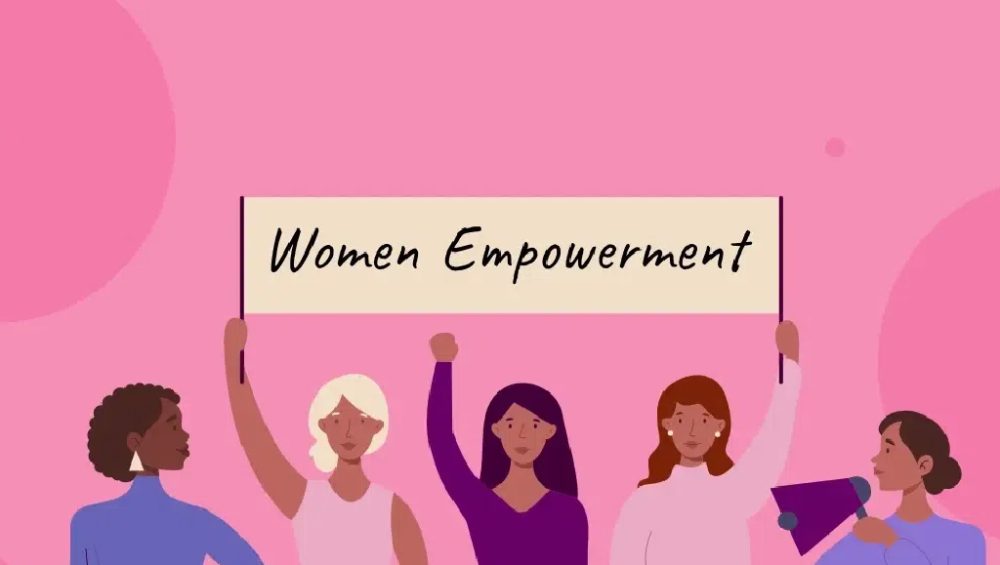
In a nation as diverse and vibrant as India, the journey toward progress and prosperity is intrinsically tied to the empowerment of its girls. Despite the strides made in recent years, there remains a critical need for concerted efforts to ensure that every girl has access to quality education. Recognizing this imperative, numerous NGOs in India have taken up the mantle of empowering girls through education, catalyzing transformative change in communities across the country.
The Importance of Girls’ Education:
Girls’ education is a cornerstone for societal development, fostering not only individual growth but also contributing to the overall well-being of communities. Educated girls are more likely to make informed decisions about their health, contribute to economic development, and actively participate in civic life. The benefits extend beyond the individual, impacting families, communities, and the nation at large.
Breaking Barriers:
In many parts of India, girls face multifaceted challenges that hinder their access to education. These challenges include cultural norms, economic constraints, and lack of infrastructure. NGOs play a pivotal role in breaking down these barriers, advocating for gender equality, and creating pathways for girls to pursue education.
Advocacy for Gender Equality: NGOs work tirelessly to challenge societal norms that perpetuate gender inequality. By engaging with communities, they seek to change attitudes and foster an environment where girls are seen as equal contributors to society. This advocacy is crucial for dismantling deeply rooted stereotypes and prejudices that hinder girls’ access to education.
Providing Financial Support: Economic constraints often force families to prioritize the education of male children over females. NGOs intervene by offering financial support, scholarships, and incentives that make education a viable option for girls. This not only ensures access to schooling but also alleviates the financial burden on families.
Infrastructure Development: Many girls in rural areas face challenges related to inadequate infrastructure, including the absence of safe transportation to school. NGOs work towards building schools, improving existing facilities, and implementing transportation solutions that make education accessible and safe for girls.
Community Engagement: The involvement of the community is pivotal in the success of any educational initiative. NGOs facilitate community engagement programs that highlight the long-term benefits of educating girls. By involving parents, community leaders, and local influencers, these organizations create a supportive ecosystem for girls’ education.
Impactful Case Studies:
Highlighting successful case studies can provide tangible evidence of the positive impact NGOs have on empowering girls through education. Stories of girls who have overcome obstacles to pursue education and make significant contributions to their communities can serve as powerful inspiration and motivation for others.
Conclusion:
Empowering girls through education is not just a noble goal; it is a strategic imperative for the progress of any society. NGOs in India are playing a crucial role in this transformative journey, breaking down barriers, challenging norms, and creating a more inclusive and equitable future. By investing in the education of girls, we invest in the future leaders, entrepreneurs, and change-makers who will shape a better and more prosperous India for all.